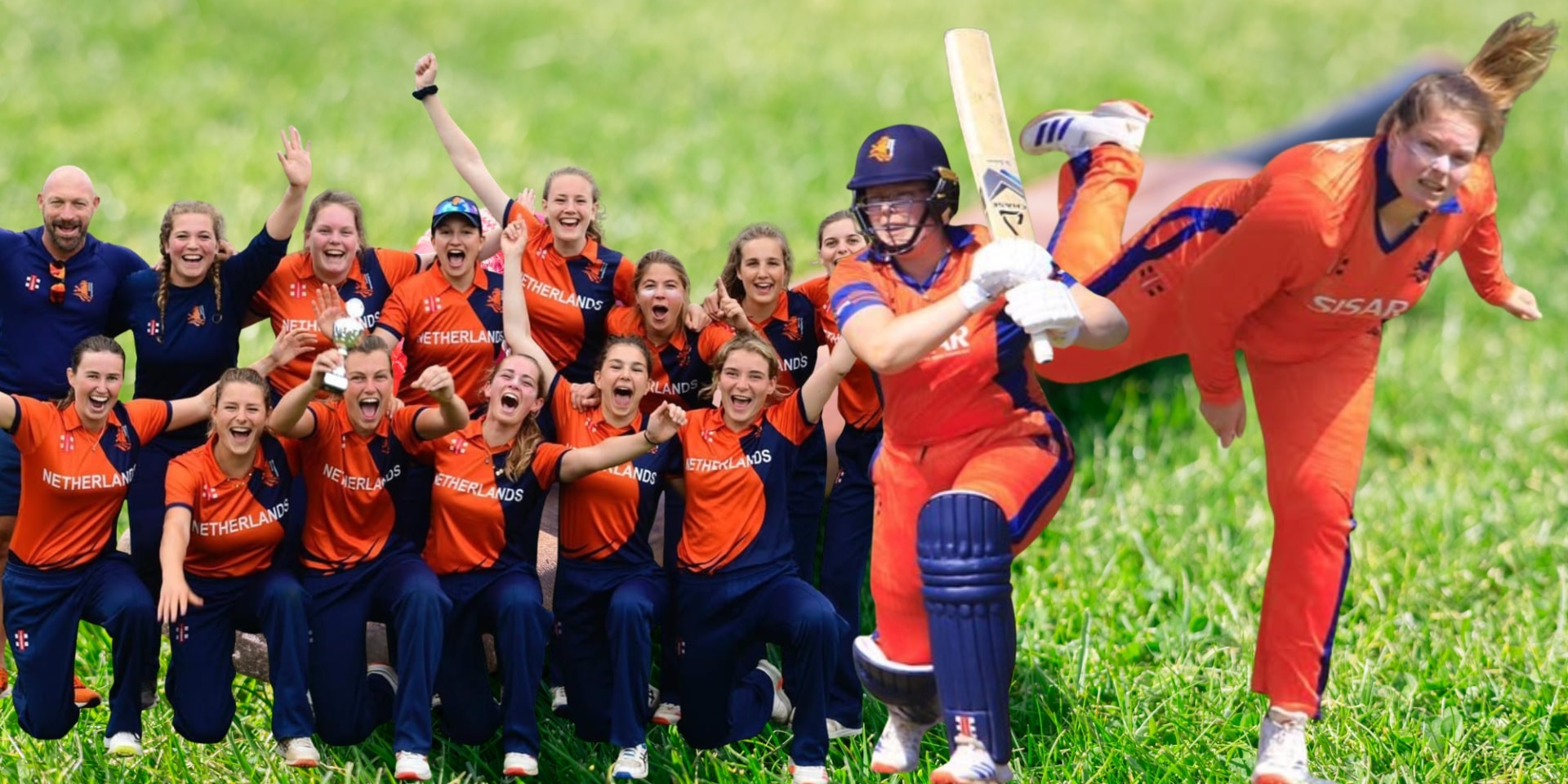
Women's sport is receiving more attention and media coverage than ever before, which is creating more opportunities for female athletes. However, there is still a long way to go. Continued investment will be important to help more women compete at a professional level. In cricket, I hope that in ten years' time many more female players will be able to earn a living from the sport and focus on their development without needing to combine it with a full-time job or studies. Until then, the juggle of full-time work and professional sport is probably more common than many people realise, especially in smaller or less well-funded sports. In our team, almost everyone has either a full-time job or is studying alongside their sporting career. Only two players are able to focus primarily on the sport itself. This means making sacrifices.
Balancing a full-time job with training requires a lot of planning and discipline. I try to be as organised as possible: meal-prepping, packing my training bag the day before, prioritising sleep over social activities. At the same time, I listen to my body. If I am particularly tired after a day at work, I adjust my training accordingly. Instead of completing a full strength session at the gym, I might focus on mobility at home and go to bed earlier.
Though, I must stress, a wide range of emotions can come with balancing a sporting career alongside work or study. On the positive side, there is a lot of pride in being able to pursue multiple goals at the same time. It can be very rewarding to work hard in different areas of your life and see progress in both. There is also a sense of fulfilment in being able to do the things you love. At the same time, it can be stressful. The pressure of constantly trying to balance training, competitions, work, studies and personal commitments is real, and it is something many female athletes carry quietly.
I try to convey this by leading through my actions and maintaining a positive attitude, even during challenging periods. I also try to be open about the difficulties that come with balancing multiple commitments. It is important to show that it is not always easy and that everyone struggles at times. It requires flexibility and support from the people around you, but it can be incredibly rewarding, especially when you find the drive to keep moving forward.
For me, that drive comes from a love of the sport and my work. Within cricket, I get to play alongside some of my best friends and travel the world, which I think is really unique. In my medical career, I am keen to keep learning and to take every challenge as it comes. I love being able to help people, and I have been fortunate to work alongside amazing colleagues. Though it is not always possible to give 100% in every area all of the time, and learning to accept that has been part of the journey.
One of the most important lessons I have learned is to listen to my body. Earlier in my career, there were times when I pushed through fatigue because I felt I had to complete every training session or gym workout. Looking back, those sessions were often not productive and probably increased my risk of injury. I have learned that recovery is just as important as training. I have also learned that if you truly want something, there is usually a way to make it happen. It may require sacrifices and hard work, but I believe that where there is a will, there is a way.
And perhaps most importantly, my medical background has taught me how to keep things in perspective. Cricket brings a lot of emotion, whether that is the excitement of winning or the pressure of performing. But through my work, I have also sat with people receiving life-changing diagnoses and facing incredibly difficult circumstances. That experience reminds me that while sport is important and I care deeply about it, there are bigger things in life. Medicine has also helped me deal with pressure on the pitch. In both fields, staying calm and making good decisions under pressure is essential. When things become overwhelming, I try to take a step back, assess the situation and focus on what I can control.