In an age increasingly shaped by algorithms, automation and artificial intelligence, nature remains the ultimate designer. Long before machines could generate images or mimic patterns, the natural world was creating forms of extraordinary complexity: the layered architecture of barnacle shells on the Portuguese coastline, the crystalline structures hidden within the desert roses of the Moroccan desert, the sculptural growth of coral reefs, and the organic textures carved by wind, water and time.
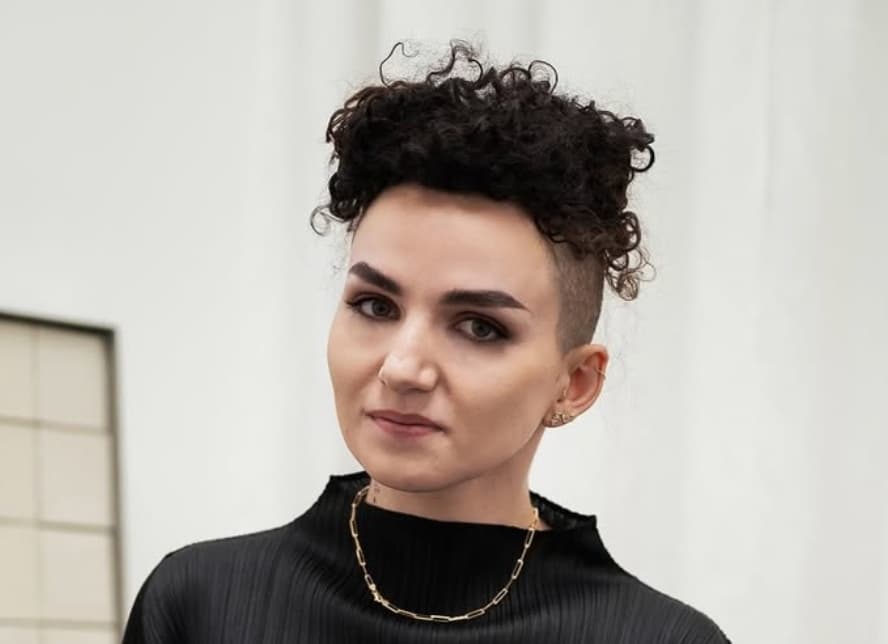
As a jeweller, these formations are not simply decorative references but blueprints for each and every one of my designs. Every collection begins with close observation of nature's seemingly accidental masterpieces. A goose barnacle shell becomes a study in repetition and asymmetry; crystallised sand inspires sculptural silhouettes; coral formations reveal how beauty emerges through growth, adaptation and imperfection. Looking closely at these objects reveals an extraordinary intelligence. The Fibonacci spirals found in shells, the cellular structures of coral and the branching patterns of minerals all demonstrate how nature solves complex design problems with effortless elegance.
What makes these structures so compelling is their unpredictability. Nature does not strive for symmetry or perfection. Every curve, ridge and texture exists as the result of countless environmental forces acting over time. A piece of driftwood, sculpted by decades of tides, possesses a richness that no designer could intentionally sketch. The intricate crystal formations of geodes, the rippling layers of sedimentary rock and the weathered surfaces of sea-worn shells all tell stories written over thousands, sometimes millions, of years. It is this element of serendipity that gives natural forms their character and emotional resonance.
This fascination with organic form continues to shape contemporary art and design. Dutch designer Jólan van der Wiel used the power of magnets to shape his iconic Gravity Stool, manipulating the natural laws of physics and letting nature determine the form of the piece. French artist Hubert Duprat collaborated with caddisfly larvae, filling their environment with scraps of precious metals, pearls and turquoise, from which they built their cocoon-like homes, structures normally made of sand, twigs and debris and formed through natural instinct alone.
Being London-based, nature presents itself to me in many unusual ways, which is part of why I love the city. My most recent moment of inspiration came on the Southbank steps leading towards St Paul's Cathedral. These ancient steps, made centuries ago from soft limestone, had formed hole-like patterns that completely fascinated me. I had to go back to my store for some alginate casting material. It was not only the beauty of this natural occurrence, but the sheer time I knew it must have taken to form. This process cannot be replicated, and that unique point of difference is exactly what I look for.
As artificial intelligence becomes increasingly capable of generating flawless images and endless variations, our connection to organic imperfection feels more important than ever. AI can analyse, replicate and reinterpret patterns, but it cannot recreate the millions of years of evolution, chance and environmental interaction embedded within a shell, crystal or fossil. It can imitate nature's appearance, but not its story. It can generate complexity, but not the quiet poetry of erosion, growth and time.
This is why we continue to be drawn to natural forms. They remind us that true beauty is not manufactured through perfection, but discovered through complexity, individuality and the unexpected. Nature has always been the world's greatest sculptor, shaping masterpieces through patience rather than precision. In translating these structures into jewellery, we seek not to copy nature, but to celebrate it: preserving its imperfections, honouring its intelligence, and transforming fleeting natural wonders into objects that can be worn and treasured for generations.