Grounded may earn a commission from links on this page. How this works
Fermentation is a transformative alchemy, where raw ingredients are preserved in a way that not only extends their shelf life but also increases nutrients and metamorphoses their flavour. Arguably, it’s the healthiest way to harness abundance and stretch the seasons. In my mind, it’s also the most exciting. The flavour transformation you get with fermentation is far more complex and evolved than with other preserving techniques like drying, bottling or vinegar and sugar-based preserves. It’s also incredibly easy.
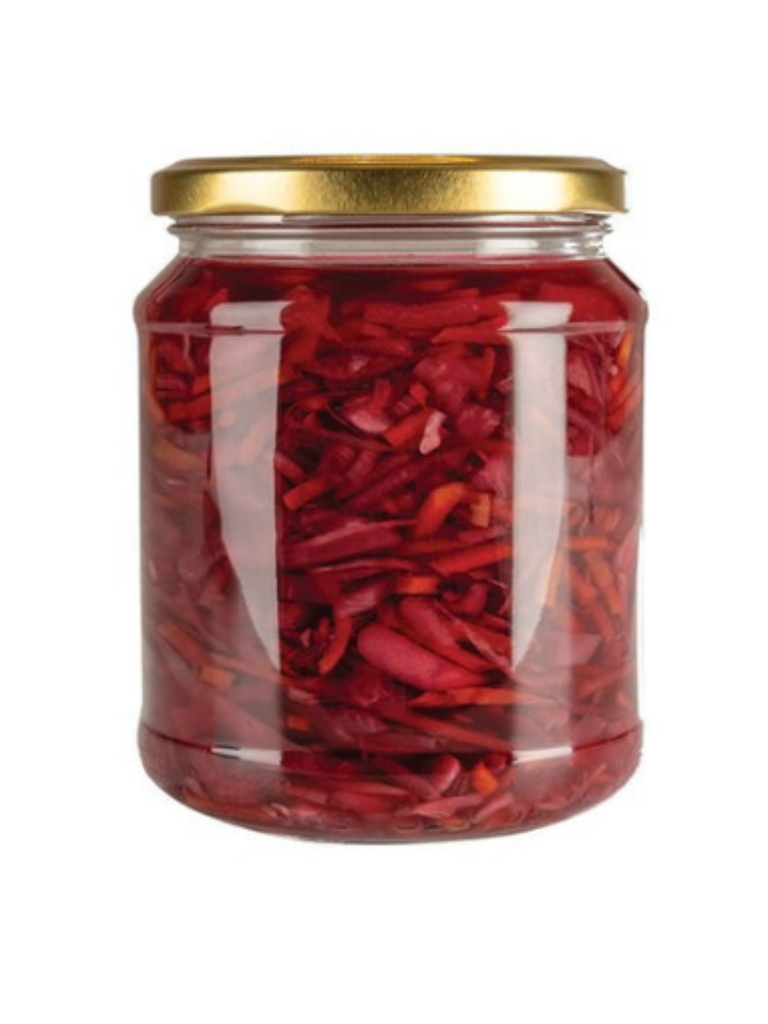
Sauerkraut, for instance, starts with just two ingredients: cabbage and salt. Packed into a jar, time allows a revolutionary shift. The vitamin C content increases, by up to 50%, and beneficial bacteria naturally living on the vegetables multiply. This gives your microbiome a healthy boost and helps us absorb the nutrients in our food more effectively. Adding to fermentation’s cause for celebration is the dramatically enriched shift in texture and taste. As the bacteria convert the natural sugars and starches in the veg into lactic acid, it creates a delicious, tongue-tingly tang with addictive powers.
The simple act of fermenting food also awakens primitive instincts, allowing us to connect with the world around us more deeply and reuniting us with ancient roots. My granny made sauerkraut, which led me to her German ancestry. Food traditions can awaken hidden histories and tell us more about ourselves.
Equally, the buoyancy of beneficial bacteria in fermented foods helps us survive. Each spoonful holds billions of bacteria that can help to replenish and diversify the populations in our gut, which, thanks to several factors in our contemporary lives, including antibiotics, antibacterial products and chlorine in water, are constantly under attack.
The Fermentation Basics
One of the easiest ways to ferment vegetables is with salt. There are two main methods: dry brine and wet brine.
With dry brine you finely shred (cabbages, leaves) or coarsely grate (roots), weigh the mixture, then add 2g salt for every 100g veg. This is called dry brining because all the ingredients are dry to start off with, but when you add the salt it’s able to penetrate right into the cell walls of the shredded or grated veg and draw out the natural moisture to create a brine. You can use this approach for making sauces too, such as a chilli sauce or a fermented ketchup.
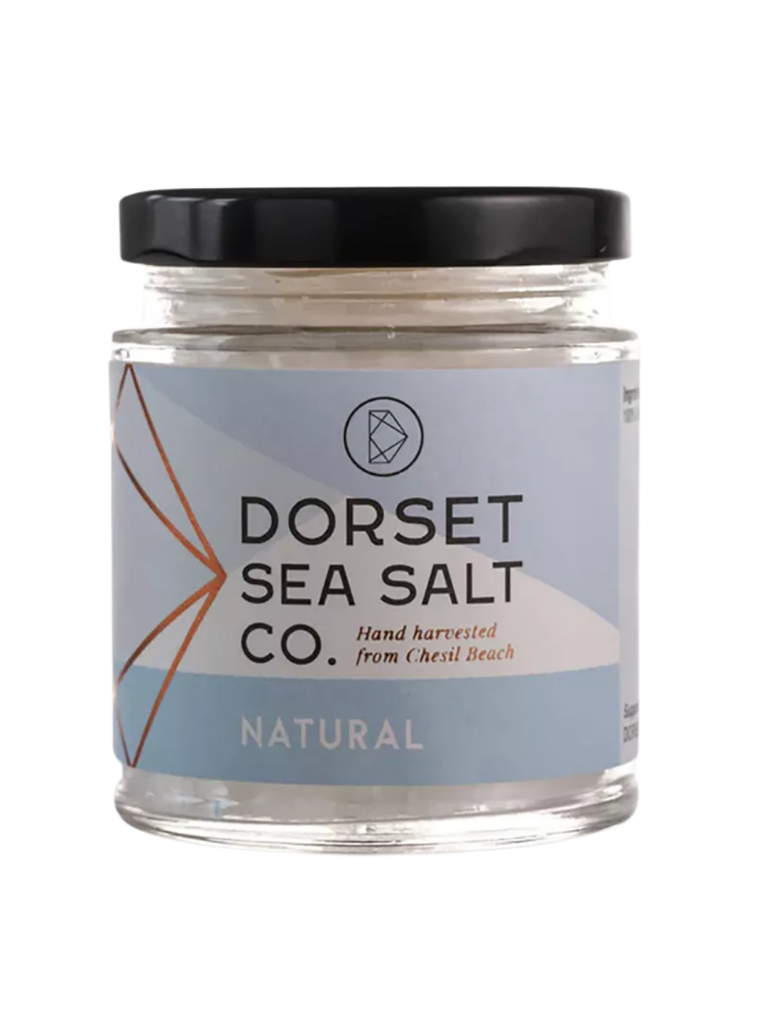
Wet brining is like using vinegar for pickling, but instead of vinegar you use a mixture of salt and water. The ratio of salt to water is 4%, that is, 4g salt for every 100ml water. For the salt, you want something pure like a local sea salt rather than table salt, which has anti-caking agents and other additives. Water-wise, filtered or boiled-and-cooled tap water is best, as water straight from the tap can contain chemicals like chlorine that will potentially kill off the good bacteria and prevent fermentation.
5 Foods To Ferment Now
The veg patch, farmers' market or produce aisle is your playground. You can have so much fun experimenting with different vegetables, as well as fruits. These are my top five things to ferment in Autumn:
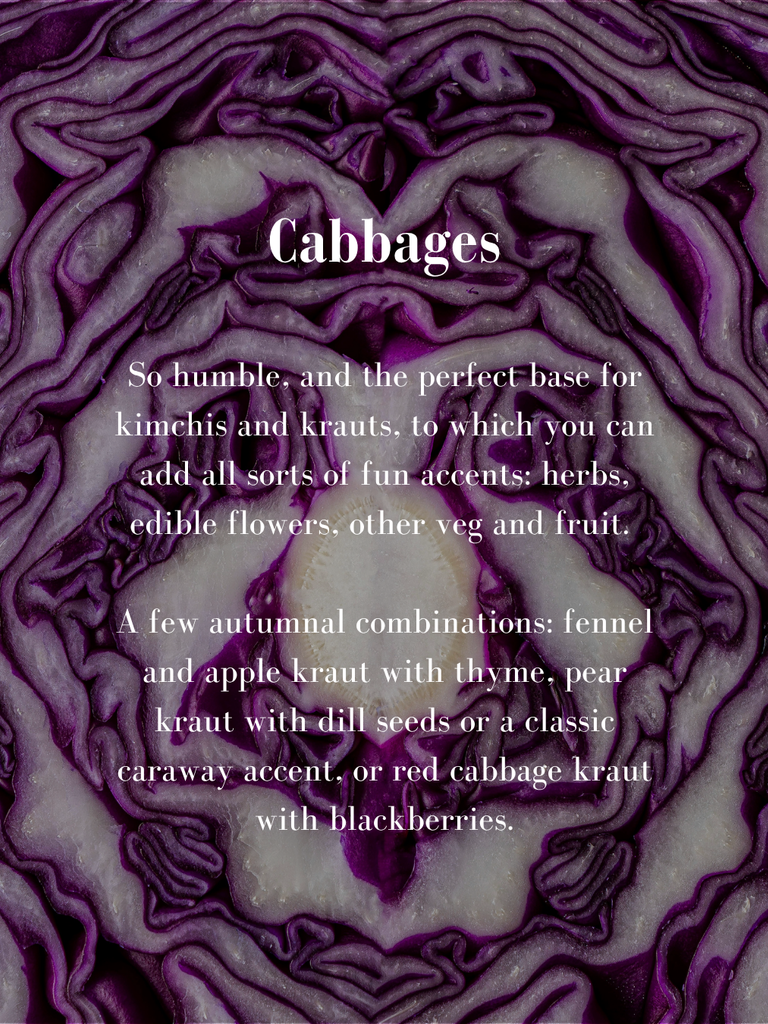
- Cabbages
- Carrots
- Fennel
- Tomatoes
- Mushrooms
A Note On Safety
Fermenting fruit and vegetables is one of the safest ways to preserve food. So many people are scared they’ll do something wrong and won’t know it, but there are no hidden dangers with the salt-based techniques outlined above, or in my recipes. The environment created with the salt, married with packing everything into a jar and ensuring it’s airtight (i.e. anaerobic) creates conditions that are hostile to bad bacteria, so they die off if they are present. Meanwhile, beneficial bacteria thrive and multiply in the salty, oxygen-starved mixture, boosting the gut-friendly benefits.
The only thing that can, and sometimes does, go wrong is when everything shrinks down if you’re maturing your ferment for longer (I’ve had many ferments survive more than a year and be completely safe, and delicious, to eat). This creates an air pocket at the top of the jar where yeasts settle and, when exposed to oxygen, mould can grow. The good thing is that you'll see it, and know that it's happened. Most often the mould is the same as the greeny-blue mould you get on a lemon left in the fruit bowl too long. Hidden dangers like botulism can’t survive in a salt-based ferment if you follow the prescribed ratios of salt.
Jars & Burping
You don’t need to worry about sterilising your jars for fermentation. In fact, you definitely want to stay away from any harsh sterilising chemicals. I simply use jar that’s been cleaned in the dishwasher or with hot soapy water. Your jar should be at room temperature (defiantly not hot) when you add your ferment, as heat can kill the good bacteria you’re aiming to multiply.
In terms of types of jars, I use classic jam jar, reused glass yogurt jars, or any glass jar with a lid that has a coating on the inner side, rather than a lid with exposed metal on the inside which can erode when in contact with the salt (and the natural lactic acid made during the fermentation process). I’m not a fan of using Kilner-style jars for salt-based ferments as the little gap at the top can provide space for mould to grow. You can use them, but they’re better for ferments you plan to eat sooner rather than for longer-term storage.