Grounded may earn a commission from links on this page. How this works
In the UK, iron deficiency is one of the most widely recognised nutritional deficiencies, particularly among girls and women. So the word ‘ferritin’ might be familiar to many, thanks to GP testing prompted by a plethora of common symptoms which accompany a lack of this mineral. But what lies beneath this little word is a surprisingly complex story.
A common misconception, I find, in the world of health, is that nutrient deficiencies are considered with a black and white: low levels on a test simply mean you need more of that nutrient in your diet. The reality is far more nuanced. Ferritin isn't simply a measure of how much iron is in your diet. It's a window into the body's iron reserves which are shaped by an intricate interplay between dietary intake, digestion, absorption, physiological demand, blood loss, inflammation and how effectively the body is able to use and recycle iron.
So when ferritin comes back ‘low’, the most useful question isn't simply "am I eating iron-rich foods?" but "what factors are contributing to my depleted iron stores?" Iron is a complicated beast and it's important to understand the variables involved.
Ferritin: your iron reserve
Iron is an essential mineral with roles extending far beyond the production of haemoglobin. It's essential for red blood cell formation and oxygen transport, but also for energy production, cellular metabolism and numerous enzyme systems throughout the body. Because both iron deficiency and iron excess can be harmful, the body has evolved sophisticated mechanisms to keep iron tightly regulated, carefully balancing its availability according to need.
Ferritin is the principal intracellular protein responsible for storing iron, so measuring it in the blood gives us an indication of the body's iron stores. This distinction is important. Iron deficiency can develop before iron deficiency anaemia, meaning the body's iron reserves can gradually become depleted while haemoglobin remains within the laboratory reference range.
The British Society for Haematology describes serum ferritin as the single most useful marker of iron deficiency, although it also emphasises that no single blood test provides a complete picture of iron absorption, transport, storage and utilisation. This is why ferritin deserves a bigger conversation.
Diet matters, but it's not the whole story
Iron-rich foods should form part of a nutrient-dense diet, but iron is an excellent example of why nutrition is about what we digest, absorb, retain, instead of simply what we eat.
Iron comes in two principal dietary forms. Haem iron, found predominantly in meat and seafood, is generally more readily absorbed. Non-haem iron, found in pulses, beans, lentils, tofu, nuts, seeds and green vegetables, is absorbed less efficiently and is far more influenced by the composition of the meal. Vitamin C can enhance its absorption, while compounds such as phytates and polyphenols can reduce it. Tea, coffee and matcha, for example, contain polyphenols that can inhibit iron absorption when consumed around a meal, which is why the NHS advises leaving a gap between taking iron supplements and the tea, coffee or dairy.
So a bowl of spinach isn't simply an iron-rich food in isolation. Add vitamin-C-rich tomatoes, peppers, broccoli or citrus fruit and the chemical environment for absorption is vastly improved.
Rather than labelling foods as “good” or “bad” when it comes to iron, the context needs to be understood.
Digestion, age and gastric acid
Iron absorption isn't solely a job for the small intestine, the stomach plays a role too. Gastric acid helps release minerals from food and keeps iron in an absorbable form, so conditions affecting gastric function, including some forms of atrophic gastritis suppressing medications, can all impact iron absorption. This becomes more relevant as we age, when the prevalence of conditions that can alter and reduce gastric function and acid secretion are far more prevalent. This doesn't mean everyone will develop poor iron absorption with age, but it's one of the reasons that repeatedly low ferritin should prompt a wider conversation.
Menstruation, pregnancy and demand
Every menstrual cycle represents some loss of iron, and the heavier the bleeding, the greater the potential impact on iron stores. This is one reason why premenopausal women have considerably higher dietary iron requirements than men and postmenopausal women.
Pregnancy creates another period of increased demand, as iron is required to support maternal blood volume, the placenta and the developing baby. Such immense demand means that a person can consume a diet containing an abundance of iron but still observe falling ferritin levels over time.
Inflammation changes the picture
During inflammation or infection, the body deliberately reduces circulating iron as part of its defence system, so iron may be present but less available. There's also a useful complication: ferritin itself rises during inflammation, which can make stores appear healthier than they are. This is exactly why ferritin is best read alongside the wider picture, not as an isolated result.
Test before you supplement
It's vital to establish whether iron deficiency is genuinely present before reaching for a supplement, because more is not better. Iron is a biologically active mineral and the body has sophisticated systems for controlling how much it absorbs. This matters especially in conditions like haemochromatosis, an inherited disorder in which the body absorbs too much iron, allowing it to accumulate in the tissues and organs.
Iron deficiency can feel subtle at first before progressing to real exhaustion. Fatigue is the best-known symptom, but low stores can also bring reduced exercise tolerance, weakness, headaches, dizziness, feeling cold, breathlessness, brain fog, changes to hair and nails or a sore tongue. Crucially, none of these are exclusive to iron deficiency, which is precisely why testing matters. A clinician may look at ferritin alongside a full blood count and other iron studies to establish whether stores are depleted and whether anaemia is present.
So how do you improve ferritin?
This is where every conversation involves a unique health history, and where an experienced nutritionist's eye is invaluable, since understanding the root causes is the real work.
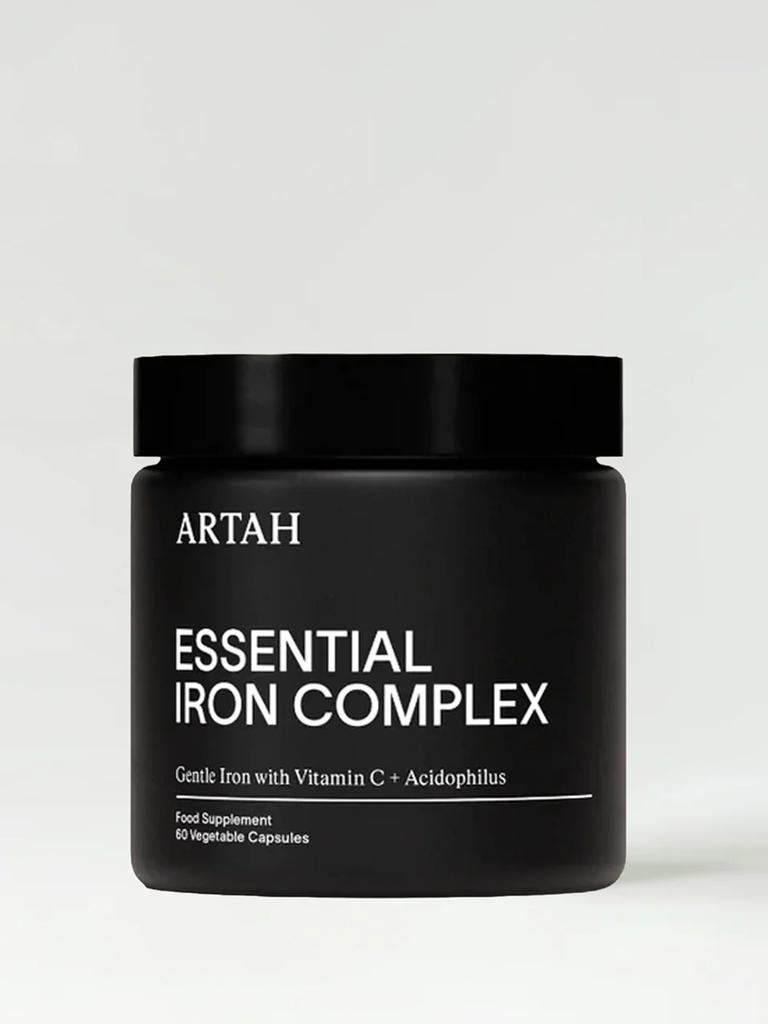
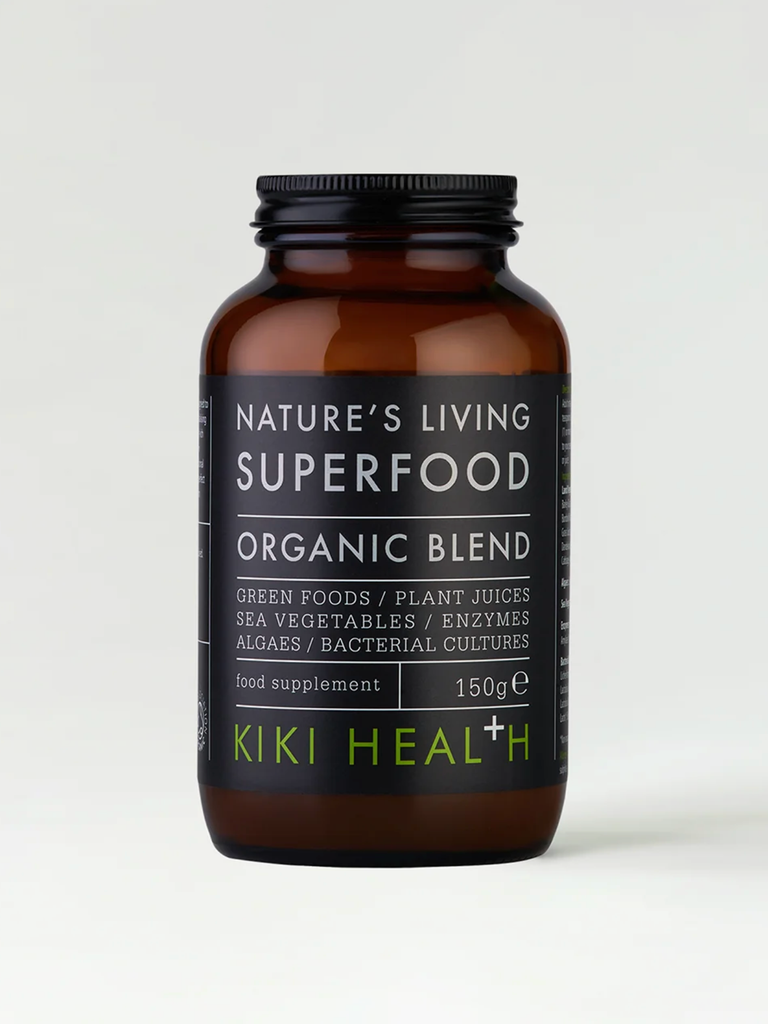
When supplements are needed, the form matters, as different preparations vary in absorption and tolerability. Iron bisglycinate, a chelated form, has been studied for its bioavailability and may cause fewer gastrointestinal side effects than some conventional preparations. Liquid preparations offer another option for those who struggle with tablets. And food-based sources like spirulina provide iron alongside protein and other micronutrients, while organ supplements such as liver capsules provide naturally occurring haem iron and other nutrients including vitamin B12, though their iron content varies considerably.
There's also growing interest in alternate-day dosing, sometimes called "iron pulsing", which has emerged from research into hepcidin, the hormone that regulates iron absorption. When an oral dose is taken, hepcidin rises temporarily, and research in iron-depleted women has shown this increase can persist for around 24 hours, reducing absorption from a subsequent dose. Dosing on alternate days gives hepcidin time to fall before the next dose, potentially increasing overall absorption.
So, the overall takeaway is simple: ferritin offers us a glimpse into the body’s iron balance, but it is rarely just about what's on your plate. Understanding why iron stores are low, whether through intake, absorption, increased demand, blood loss or inflammation, is the key to finding the right solution. And the best way to raise ferritin is to first understand why it fell.